Session Hijacking Prevention: Simple Ways to Keep Your Users Safe

Staying signed in has become something people barely think about anymore. Whether it’s checking a dashboard, managing online banking, or accessing a work application, users expect to pick up where they left off without logging in every few minutes. That convenience creates a smoother experience, but it also introduces security challenges that often go unnoticed.
This is where session hijacking prevention becomes essential. Even if your login process is protected by strong passwords and multi-factor authentication, an attacker who steals an active session token may be able to bypass those protections entirely. Building secure session management into your application helps protect user accounts, maintain trust, and reduce the likelihood of costly security incidents.
What Is Session Hijacking?

Whenever someone signs in to a website, the server creates a unique session and assigns a session token. This token tells the application that the user has already been authenticated, allowing them to continue browsing without entering their credentials on every page.
Session hijacking happens when an attacker gains access to that session token and uses it to impersonate the legitimate user. Instead of cracking passwords or guessing login credentials, they simply take over an authenticated session. From the server’s perspective, the requests appear to come from a trusted user, making these attacks particularly difficult to detect without proper safeguards.
Why Session Hijacking Is a Serious Security Risk
Many organizations invest heavily in password policies, account lockouts, and multi-factor authentication. Those measures are important, but they mainly protect the login process. Once a session has been established, the security focus shifts to protecting the session itself.
If an attacker steals an active session, they may gain access to personal information, financial records, internal systems, or administrative controls. Depending on the application, the consequences can include data breaches, fraudulent transactions, unauthorized account changes, and regulatory compliance issues.
Effective website attack surface management should therefore include active sessions, authentication endpoints, cookies, third-party scripts, exposed APIs, and administrative interfaces. Identifying these potential entry points allows security teams to apply stronger controls, remove unnecessary exposure, and detect suspicious behavior before it develops into a larger incident.
Beyond the technical impact, compromised accounts damage user confidence. Customers expect their information to remain secure, and even a single successful attack can affect an organization’s reputation for years.
Common Ways Attackers Hijack User Sessions

Attackers use several techniques to gain unauthorized access to authenticated sessions.
Session Cookie Theft
Most applications store session tokens inside browser cookies. If those cookies are stolen through malware, browser vulnerabilities, or insecure storage, attackers can often reuse them to access an account without knowing the user’s password.
Cross-Site Scripting (XSS)
Poor input validation may allow malicious JavaScript to execute inside a user’s browser. Without proper cookie protections, those scripts can steal authentication tokens and send them to an attacker.
Man-in-the-Middle Attacks
Using unsecured network connections creates opportunities for attackers to intercept traffic between users and servers. If sensitive information is transmitted without encryption, session identifiers become much easier to capture.
Session Fixation
Instead of stealing an existing session, attackers may trick users into logging in with a session identifier that has already been generated. If the application fails to issue a new session ID after authentication, the attacker can later reuse the same session.
Practical Session Hijacking Prevention Techniques
Strong session hijacking prevention depends on protecting session tokens throughout their entire lifecycle. The goal is to ensure they are securely transmitted, safely stored, regularly refreshed, and continuously monitored.
One of the most effective safeguards is enforcing HTTPS across the entire application. Encrypting all communication prevents attackers from intercepting session identifiers while data travels between browsers and servers. Adding HTTP Strict Transport Security (HSTS) strengthens this protection by ensuring browsers automatically connect using secure protocols.
Cookie configuration is equally important. Setting the HttpOnly attribute prevents client-side scripts from reading authentication cookies during Cross-Site Scripting attacks. Applying the Secure flag ensures cookies are transmitted only over encrypted connections, while SameSite attributes help reduce the risk of Cross-Site Request Forgery (CSRF).
Applications should also regenerate session IDs whenever a user logs in, changes privileges, or updates sensitive account settings. This simple practice significantly reduces the risk of session fixation attacks by invalidating previously issued identifiers.
Adopting the future of passwordless website authentication can further reduce risks associated with stolen, reused, or phished credentials. Passkeys, biometric verification, and FIDO2 security keys use cryptographic authentication instead of traditional passwords, making it more difficult for attackers to impersonate users or compromise the initial login process.
Modern authentication methods further strengthen security. Traditional multi-factor authentication protects the initial login, while phishing-resistant technologies such as FIDO2 security keys and passkeys make it much harder for attackers to reuse stolen authentication information.
Security works best when every protective layer complements the next. As organizations continue improving their website protection strategies, secure session management should remain a core component rather than an afterthought.
Small Security Habits That Reduce Risk
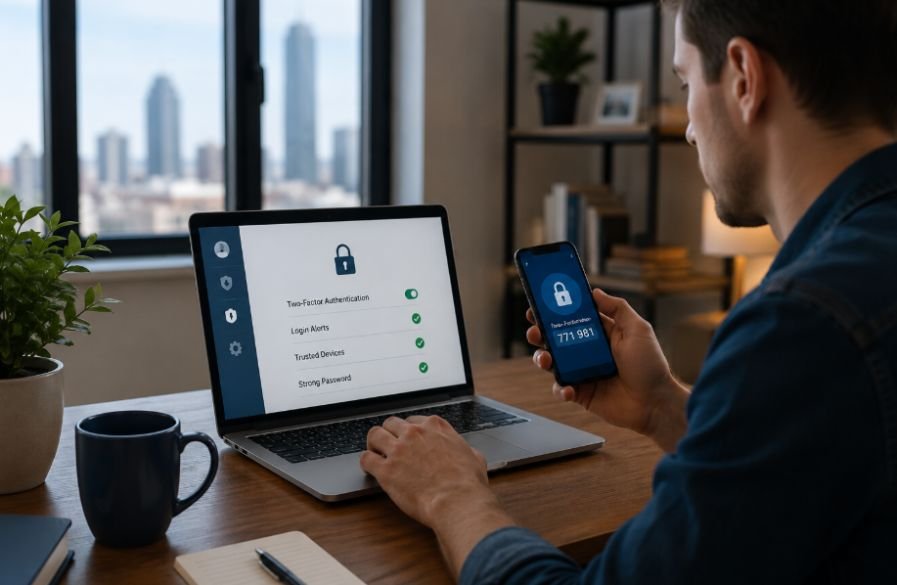
Technology provides the foundation for secure applications, but user behavior still plays an important role. Encouraging a few simple habits can significantly reduce exposure to session-based attacks.
- Always log out after using shared or public computers so active sessions are immediately invalidated.
- Avoid accessing sensitive accounts on open public Wi-Fi unless using a trusted VPN.
- Keep browsers, operating systems, and applications updated to reduce known security vulnerabilities.
- Install browser extensions carefully and remove any that are unnecessary or untrusted.
These everyday practices help close security gaps that technical controls alone cannot eliminate.
Frequently Asked Questions
1. What is session hijacking?
Session hijacking is a cyberattack in which someone steals or manipulates a valid session token to impersonate a logged-in user without needing their password.
2. Can multi-factor authentication stop session hijacking?
Multi-factor authentication strengthens account security during login, but it may not prevent attackers from abusing a stolen session token. Secure session management is still necessary.
3. Why should session IDs be regenerated?
Regenerating session IDs after login or privilege changes prevents attackers from exploiting session fixation attacks and ensures previously issued session identifiers become invalid.
4. What is the best way to prevent session hijacking?
Using HTTPS, secure cookie attributes, session ID regeneration, inactivity timeouts, continuous session monitoring, and phishing-resistant authentication together provides the strongest protection.
Why Strong Session Security Is Always Worth the Effort
No single security feature can eliminate every threat. Effective protection comes from combining secure authentication, encrypted communication, intelligent monitoring, and responsible session management into one cohesive strategy. Each improvement may seem small on its own, but together they create meaningful barriers that make it much harder for attackers to succeed.
Making session security a continuous priority today helps protect user trust, strengthens application resilience, and prepares your business for the evolving threats of tomorrow.