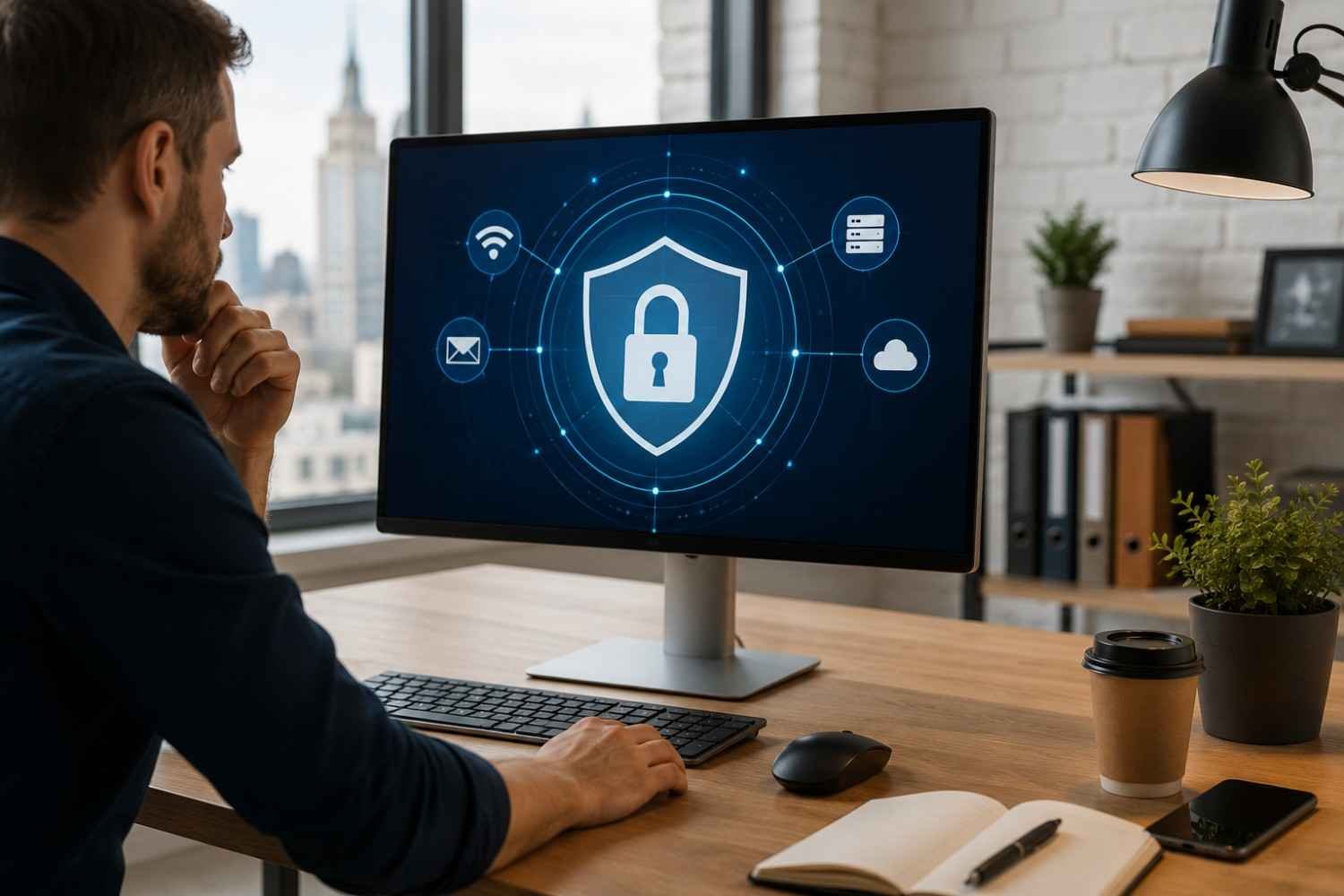
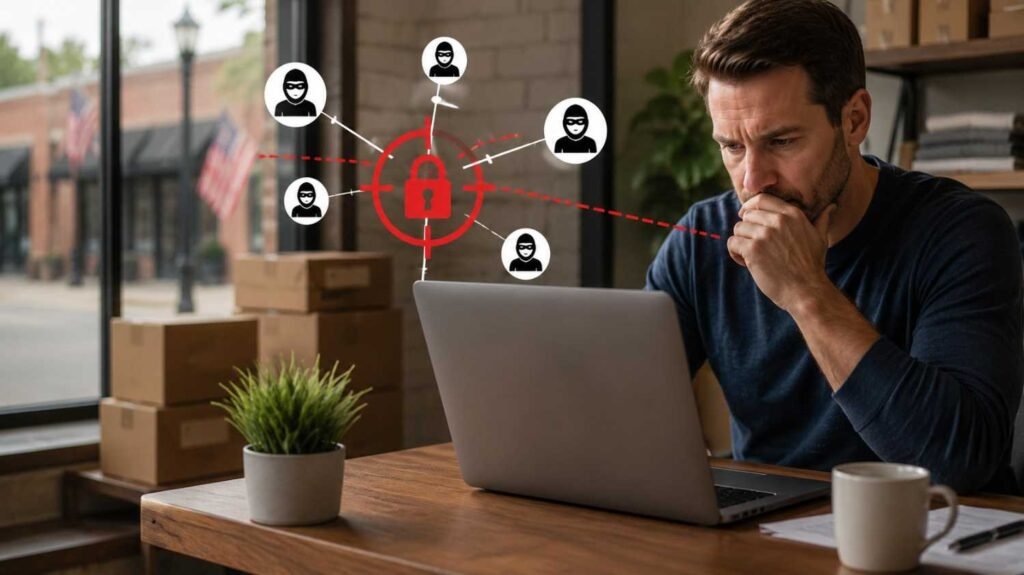
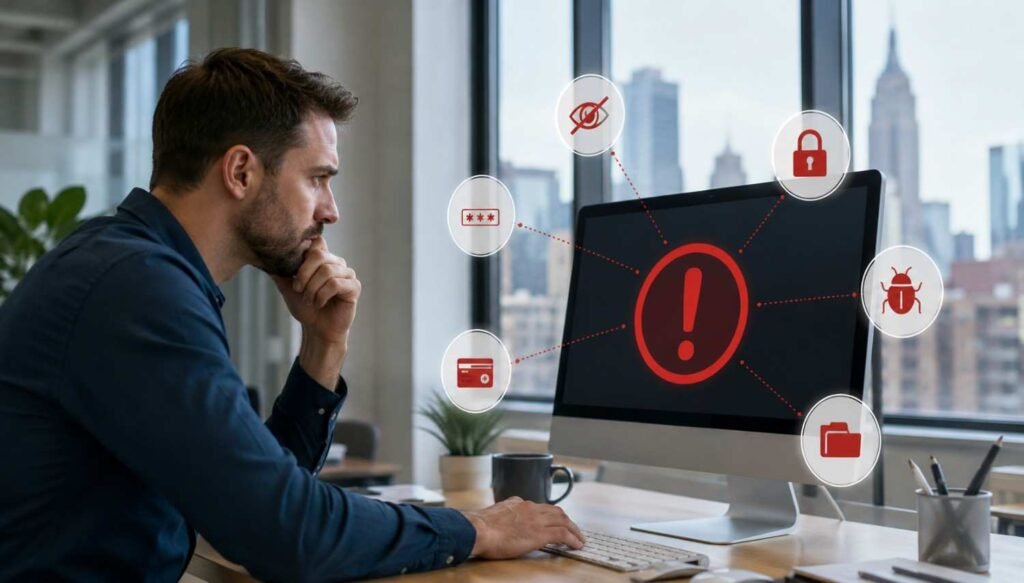
Running a small business means wearing a lot of hats. You’re focused on serving customers, managing operations, and finding new ways to grow. Website security often slips down the priority list because everything seems fine—until it isn’t. A single cyberattack can interrupt your business, expose customer information, and take your website offline when you need it most.
The good news is that protecting your website doesn’t require a huge IT budget or an in-house cybersecurity team. Many of the most effective security measures are simple, affordable, and easy to maintain. Building a few smart habits into your routine can significantly reduce the risk of attacks while helping customers feel more confident when they visit your site.
Why Small Business Websites Are Common Targets
Many business owners assume hackers only go after large corporations. In reality, small businesses are often targeted because they typically have fewer security controls in place. Automated bots constantly scan websites for outdated software, weak passwords, and known vulnerabilities without caring how large the business is.
A compromised website can lead to stolen customer information, lost revenue, damaged search rankings, and a decline in customer trust. Even recovering from a relatively small attack can consume valuable time and resources that many businesses simply don’t have.
Best Website Security Practices for Small Businesses That Actually Work
Keep Your Website Software Updated
One of the easiest ways to improve website security is by keeping your content management system (CMS), plugins, themes, and extensions up to date. Software updates often include security patches that fix newly discovered vulnerabilities before attackers can exploit them.
Automatic updates make this process much easier. Instead of relying on manual reminders, enable automatic updates whenever they’re available for trusted software. Regular patch management remains one of the most effective defenses against common cyber threats.
Secure Every Login With Strong Authentication
Weak login credentials continue to be one of the biggest security risks for business websites. Rather than using short or predictable passwords, create long passphrases made from random words that are difficult to guess but easier to remember.
Adding multi-factor authentication (MFA) provides another layer of protection. Even if someone obtains a password through phishing or a data breach, they’ll still need a second verification method before gaining access to your website’s administrative area.
Use HTTPS and an SSL Certificate
Visitors expect websites to protect their information. Installing an SSL certificate encrypts data transferred between your website and visitors, allowing your site to use HTTPS instead of HTTP.
Beyond protecting sensitive information like login credentials and payment details, HTTPS also builds customer confidence. Many browsers now warn users before they visit websites that aren’t secured with encryption, making SSL certificates an essential part of modern website security.
Choose Secure Website Hosting
Not every hosting provider offers the same level of protection. Reliable hosting companies typically include features such as malware monitoring, server-level firewalls, DDoS protection, and automatic backups.
Before selecting a hosting provider, review its security features, update policies, uptime record, and customer support. A dependable hosting environment creates a stronger foundation for your overall website security strategy.
Install a Web Application Firewall
A Web Application Firewall (WAF) filters incoming traffic before it reaches your website. It helps block malicious bots, suspicious requests, brute-force login attempts, and many common attacks that target vulnerable websites.
Think of a WAF as a security checkpoint. Legitimate visitors pass through without interruption, while suspicious traffic is stopped before it has a chance to cause damage.
Schedule Automatic Backups
No security system is perfect. That’s why backups remain one of the most valuable safeguards for any business website.
Schedule automatic backups daily or weekly depending on how frequently your website changes. Store backup copies separately from your hosting server using secure cloud storage or another offsite location. If your website is compromised, you can restore it much more quickly without starting from scratch.
Help Employees Recognize Cyber Threats
Technology alone cannot stop every cyberattack. Human error continues to play a major role in many security incidents.
Teach employees how to recognize phishing emails, suspicious links, fake login pages, and social engineering attempts. Even brief cybersecurity awareness training can prevent costly mistakes that automated tools may not catch.
Common Website Security Mistakes to Avoid
Many businesses unknowingly create unnecessary security risks through simple oversights. Avoid these common mistakes:
Reusing passwords across multiple accounts, delaying software updates, ignoring security alerts, and failing to enable multi-factor authentication.
Keeping inactive administrator accounts, skipping regular backups, installing untrusted plugins, or relying solely on antivirus software without broader security measures.
Building Security Into Everyday Operations
Strong security isn’t about adding dozens of complicated tools. It’s about creating consistent habits that become part of your daily business operations. Regular software updates, routine backups, access reviews, malware monitoring, and employee awareness work together to create long-term protection.
As your business grows, your security approach should grow with it. Reviewing your website protection strategies every few months helps ensure your defenses continue to match new technologies, customer expectations, and evolving cyber threats without disrupting your day-to-day operations.
Frequently Asked Questions: Best Website Security Practices for Small Businesses That Actually Work
1. How often should a small business update its website?
Check for updates weekly and enable automatic updates whenever possible for your CMS, plugins, themes, and security tools to reduce the risk of known vulnerabilities.
2. Is multi-factor authentication really necessary for small businesses?
Yes. Multi-factor authentication significantly reduces the chances of unauthorized access, even if passwords are stolen through phishing attacks or data breaches.
3. Can an SSL certificate prevent all cyberattacks?
No. An SSL certificate encrypts data between visitors and your website, but it should be combined with firewalls, backups, software updates, and access controls for complete protection.
4. What is the most important website security practice?
There isn’t a single solution. The strongest protection comes from combining secure hosting, HTTPS encryption, automatic updates, strong authentication, regular backups, and continuous monitoring.
Small Security Habits Make the Biggest Difference
Website security isn’t about preparing for unlikely scenarios—it’s about reducing everyday risks that quietly build over time. Most successful attacks don’t happen because businesses ignored security entirely. They happen because one update was skipped, one password was too weak, or one backup wasn’t available when it mattered. Small, consistent improvements create a stronger defense than occasional large investments, helping protect your customers, your reputation, and the business you’ve worked hard to build.
The safest websites aren’t necessarily the most expensive to maintain. They’re the ones that treat security as an ongoing habit rather than a one-time task.