The Future of Passwordless Website Authentication and the End of Forgotten Passwords
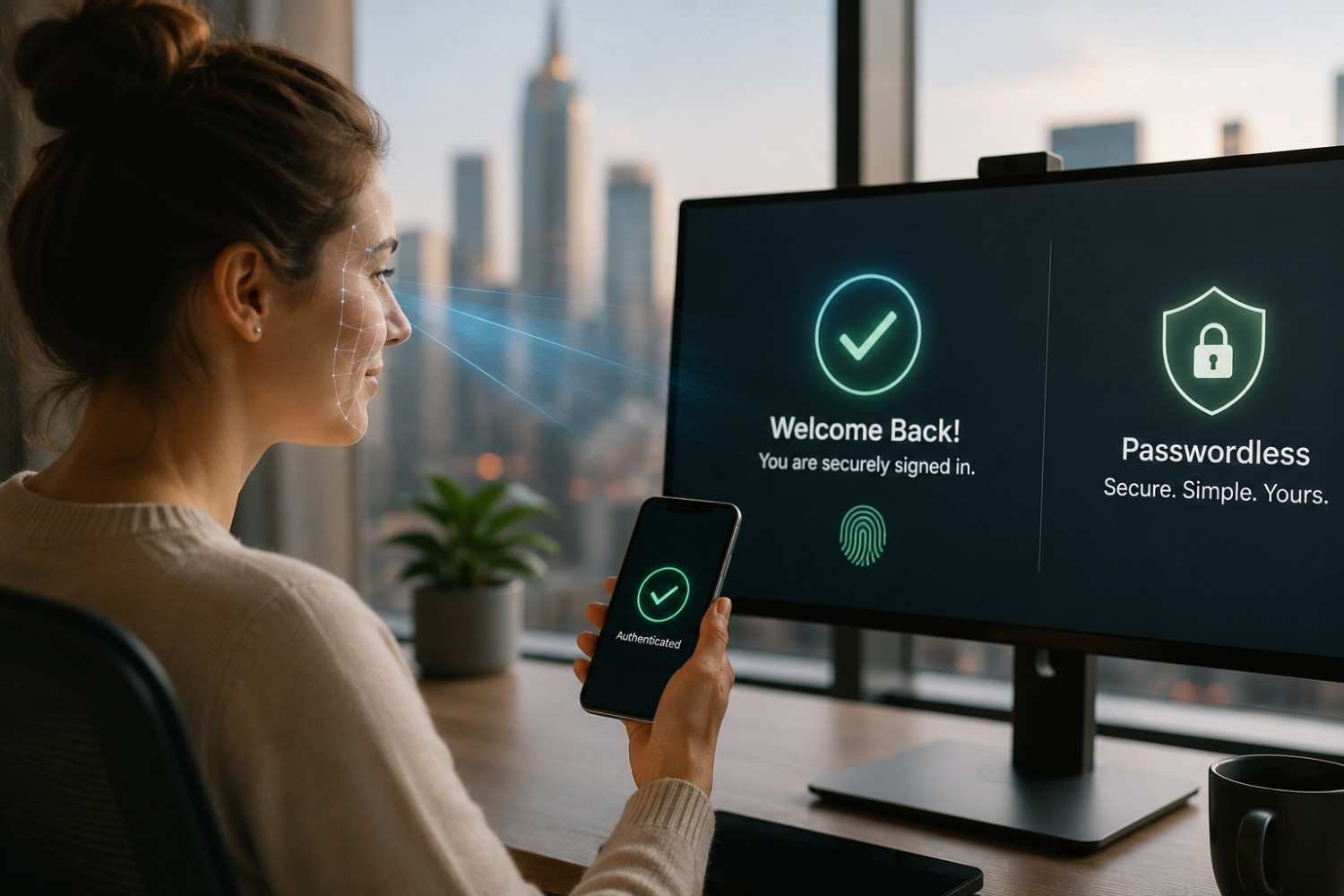
I can’t remember the last time I created a password without wondering if I’d forget it a week later. Like most people, I’ve reused passwords when I shouldn’t have, clicked “Forgot Password” more times than I’d like to admit, and spent unnecessary minutes waiting for reset emails. It always felt like logging in was becoming more complicated instead of more secure.
Lately, I’ve noticed something different. More websites are asking me to use my fingerprint, face scan, or phone instead of typing a password. At first, it felt unfamiliar. After using it a few times, though, I started realizing the login process wasn’t just faster. It also made me think about whether passwords have finally reached the end of their usefulness. That question sits at the center of the future of passwordless website authentication.
Why Passwords No Longer Feel Like the Best Option
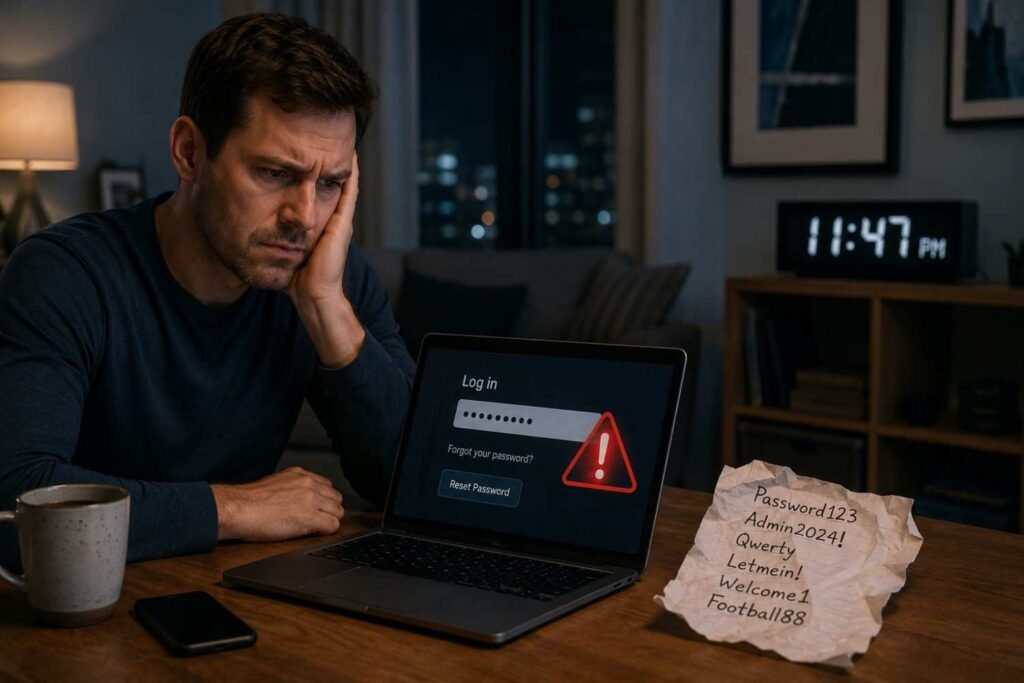
Passwords were once considered a practical way to protect online accounts. Today, they’re one of the biggest security headaches for both users and businesses.
People manage dozens of online accounts, making it difficult to create a unique password for every website. As a result, password reuse has become common, giving cybercriminals more opportunities to access multiple accounts after a single data breach.
Businesses face their own challenges. Password reset requests continue to consume valuable IT resources, while phishing attacks target users by tricking them into revealing login credentials. Even strong passwords become a weakness if they’re stolen.
That combination of poor user experience and growing cybersecurity threats is pushing organizations to look for better authentication methods.
What Passwordless Authentication Actually Means
Despite the name, passwordless authentication doesn’t mean removing security. It replaces passwords with methods that verify identity in safer and more convenient ways.
Instead of remembering a secret phrase, users prove who they are through trusted devices, biometrics, or cryptographic credentials that are much harder to steal or copy.
Some of the most common passwordless methods include:
- Passkeys protected by device security.
- Fingerprint or facial recognition.
- Security keys.
- Magic links sent to verified email addresses.
- One-time verification codes for specific situations.
Each option reduces dependence on traditional passwords while making the login process much smoother.
Passkeys Are Leading the Next Generation of Logins

Passkeys are quickly becoming the technology driving passwordless website authentication.
Unlike passwords, passkeys rely on public-key cryptography. When someone creates a passkey, their device generates two digital keys. One stays securely stored on the device and never leaves it. The other is shared with the website.
During sign-in, both keys work together to confirm identity without sending a reusable password across the internet.
That approach dramatically reduces phishing risks because attackers can’t trick users into entering credentials that don’t actually exist. Even if someone visits a fake website, the passkey won’t authenticate because it’s linked to the legitimate domain.
Many modern devices also synchronize passkeys securely across phones, tablets, and computers, making them easier to use without sacrificing security.
Biometrics Make Authentication Feel Natural
One reason passwordless technology is gaining momentum is that it fits naturally into devices people already use every day.
Face recognition and fingerprint scanning don’t replace security. They simply unlock the private authentication key already stored on the device. The biometric information itself remains on the hardware rather than being shared with every website.
This local verification process gives users a familiar experience while keeping sensitive information better protected.
Instead of typing long passwords, authentication becomes as simple as looking at a phone or touching a fingerprint sensor.
Better Security Doesn’t Have to Mean More Friction

For years, stronger security often meant adding more steps to the login process.
Passwordless authentication changes that expectation.
Studies have shown that passkey sign-ins achieve significantly higher success rates while taking only a fraction of the time required by many traditional multi-factor authentication methods. That means fewer failed login attempts, fewer password reset requests, and a smoother experience for both customers and employees.
Businesses also benefit from lower support costs because forgotten passwords account for a large share of help desk requests every year.
Security improves, but convenience improves alongside it.
Challenges That Still Need Attention
Passwordless authentication is advancing quickly, but it’s not perfect.
Many organizations still rely on older systems designed around passwords, making migration more complicated. Some users also hesitate to adopt unfamiliar authentication methods because they don’t fully understand how they work.
Cross-device compatibility continues to improve, although not every platform offers the same experience. Organizations also need clear recovery options if someone loses access to a trusted device.
Education will remain just as important as technology during the transition.
If you’re interested in how modern security continues evolving beyond authentication, our how AI is changing website cybersecurity explores another major shift affecting websites today.
What the Next Few Years Could Look Like

The future of passwordless website authentication isn’t about eliminating every existing login method overnight. It’s about reducing the need for passwords wherever stronger and more user-friendly alternatives already exist.
As browser support expands, operating systems continue improving passkeys, and FIDO2 standards become more widely adopted, passwordless authentication will likely become the default experience for many websites. Passwords may still exist for legacy systems, but they’ll play a much smaller role than they do today.
The biggest change won’t be the technology itself. It’ll be reaching a point where secure logins simply feel effortless.
FAQs: The Future of Passwordless Website Authentication and the End of Forgotten Passwords
1. What is passwordless website authentication?
It allows users to verify their identity without entering a traditional password. Common methods include passkeys, biometrics, security keys, and trusted devices.
2. Are passkeys safer than passwords?
Yes. Passkeys use public-key cryptography and are resistant to phishing because no reusable password is stored or shared with websites.
3. Will passwords disappear completely?
Not immediately. Many older systems still depend on passwords, but newer platforms are steadily adopting passwordless authentication as a preferred option.
4. Do passwordless logins require biometrics?
No. While fingerprints and facial recognition are popular, users can also authenticate through security keys, trusted devices, or other supported verification methods.
Logging In Shouldn’t Feel Like the Hardest Part
I’ve started expecting authentication to work in the background instead of becoming another task to manage. That’s what makes passwordless technology feel like a genuine improvement instead of another security trend. It reduces friction, strengthens protection, and removes one of the most frustrating parts of using the web without asking people to become cybersecurity experts.
Sometimes the best technology isn’t the one we notice most. It’s the one that quietly removes problems we’ve accepted for years.